Author: Join Me Digital Media

  • Beyond Ad Revenue: How Content Creators Can Build Multiple Income Streams in 2026

    Picture this scenario: You spend three grueling weeks scripting, shooting, editing, and optimizing a masterpiece video. You hit publish, and thankfully, it performs well. Views pour in, and you check your creator dashboard with a smile. At the end of the month, your platform ad payout hits your bank account. You breathe a sigh of relief.

    But then, the next month rolls around. The algorithm shifts unexpectedly. Your views drop by 40%, and just like that, your income plummets by nearly half. Your rent is due, your software subscriptions need renewal, and you are left scrambling.

    If your entire content creation business relies solely on platform ad revenue or brand sponsorships, you are building your house on rented land. Algorithms change overnight, monetization policies shift, and ad rates fluctuate. In 2026, sustainable creators do not rely on a single paycheck. They build a diverse ecosystem of revenue streams that protect them against algorithm volatility and skyrocket their earning potential.

    Let’s break down the most lucrative, practical income streams every creator should build this year to turn their passion into a resilient financial powerhouse.

    1. Affiliate Marketing: The Easiest Entry Point

    Affiliate marketing is often misunderstood. People think it means spamming shady discount links across the internet. In reality, modern affiliate marketing is about trusted recommendations. When your audience asks you what camera you use, what microphone you prefer, or what software keeps your schedule organized, affiliate marketing allows you to turn those helpful answers into revenue.

    The beauty of affiliate marketing is its passive nature. Once you embed an affiliate link into your digital visiting card, your blog posts, or your YouTube video descriptions, it works for you 24/7. Someone could stumble across a tutorial you filmed eight months ago, click your affiliate link, purchase the product, and you get a commission while you sleep.

    How to succeed with affiliate marketing:

    • Only recommend what you use: Your audience trusts your opinion. If you promote a bad product just for a quick commission, you will destroy that trust instantly.
    • Centralize your links: Keep your top affiliate stores organized on your unified profile page so your followers always know where to find your recommended gear.
    • Focus on high-ticket or recurring software: Promoting software tools that offer recurring monthly commissions (like video editors, hosting platforms, or CRM tools) can build a very steady baseline income.

    2. Selling Digital Products and Assets

    If physical merchandise requires inventory, shipping logistics, and manufacturing headaches, digital products are the exact opposite. You create them once, and you can sell them an infinite number of times with zero marginal cost.

    No matter what your niche is, your audience is usually trying to learn what you already know or achieve what you have already accomplished. That gap in their journey is where your digital product lives.

    Examples of high-converting digital products include:

    • For Photographers and Videographers: Lightroom presets, Premiere Pro transition packs, or custom LUTs.
    • For Writers and Marketers: Email templates, Notion productivity dashboards, or copywriting swipe files.
    • For Fitness Creators: 12-week workout PDF guides or macro-tracking spreadsheets.
    • For Educators: Mini-courses, masterclasses, or exclusive workshop recordings.

    By hosting these digital products directly through clean landing pages or linking them via your professional bio profile, you eliminate unnecessary middlemen and keep nearly 100% of the profits.

    3. Direct Fan Support and Community Memberships

    Platform ads pay you based on mass numbers, but true financial stability often comes from a smaller, deeply dedicated core community. Not every follower wants to buy a course or click an affiliate link, but many of them would happily throw a few dollars your way just to support the work you do because it genuinely impacts their lives.

    Setting up a direct support system creates an intimate bond between you and your superfans. Platforms that enable recurring memberships allow you to offer tiered perks:

    “Your casual viewers give you views, but your community members give you business stability. Cultivate the core.”

    You can offer members-only live streams, early access to unedited videos, private Discord server chats, or monthly Q&A sessions. When you have even 200 loyal fans paying a modest monthly subscription, that predictable revenue can cover your basic production expenses before you even earn a dime from ads.

    4. Sponsored Partnerships and Brand Deals

    While we talked about diversifying away from sponsorships earlier, brand deals remain one of the highest-paying income streams for creators. The key is to treat sponsorships as strategic partnerships rather than random ad reads.

    Instead of doing one-off sponsored posts where a brand pays you once and disappears, aim for long-term ambassadorships. When a brand sees that your audience genuinely engages with their product over a period of 6 months or a year, they are much more likely to lock you in with higher retainers and exclusive contracts.

    Make sure your digital presence makes it effortless for brands to pitch you. A clean media kit, visible contact options, and structured collaboration tiers hosted on your central profile page will separate you from amateur creators who make brands chase them.

    5. Offering Consulting, Coaching, or Freelance Services

    If you have spent years building an audience around a specific skill—whether it is graphic design, fitness coaching, social media strategy, or coding—you possess high-value expertise that people will pay top dollar for on an individual level.

    Content creation serves as your ultimate portfolio. When a potential client watches your videos or reads your articles every week, they already know, like, and trust your expertise. When you open up 1-on-1 coaching slots or consulting sessions, you don’t have to convince them that you know what you are doing; they are already sold.

    You can embed calendar scheduling widgets (like Calendly) directly into your digital visiting card. When a client clicks your profile, they can select an open time slot, pay for the session, and book a consultation in under two minutes.

    The Blueprint: How to Balance Multiple Streams Without Burning Out

    Trying to launch all five income streams on day one is a fast track to absolute exhaustion. Building a multi-stream creator business requires strategic sequencing.

    1. Phase 1 (The Foundation): Focus entirely on building your audience, publishing great content, and setting up a clean, professional link-in-bio profile.
    2. Phase 2 (The Quick Win): Integrate affiliate links for the exact tools and products you already use and mention in your content.
    3. Phase 3 (The Scale): Create your first digital product or asset based on the most frequent questions your audience asks you in the comments.
    4. Phase 4 (The High Ticket): Launch brand sponsorship pitches or open up consulting and community memberships once your authority is firmly established.

    The Bottom Line

    Financial freedom as a creator doesn’t come from crossing your fingers and hoping the algorithm loves your next upload. It comes from taking control of your business model. By diversifying your income across affiliate marketing, digital assets, community memberships, and services, you insulate yourself from industry shifts and build a sustainable empire that rewards your creativity for years to come.

    Mastering Content Creation Efficiency: Smart Automation and Workflow Tools for Creators in 2026

    Let’s talk about the dark side of the creator economy that nobody likes to admit on camera: creative burnout.

    To the outside observer, being a content creator looks like an absolute dream job. You film a few videos, post a couple of photos, collect brand checks, and enjoy the rest of your day. But if you are actually in the trenches doing the work, you know the harsh reality. Content creation is an endless treadmill. The moment you publish one video, the algorithmic pressure immediately demands to know: “What’s next?”

    You find yourself trapped in a relentless cycle of brainstorming, scripting, filming, editing, thumbnail designing, caption writing, and community management. Before you know it, you are working 70 hours a week, not as a creative visionary, but as an exhausted machine operator.

    In 2026, working harder is no longer the answer. The most successful creators aren’t the ones who grind themselves into dust; they are the ones who master efficiency and automation. By leveraging smart workflows and digital tools, you can cut your administrative workload in half while actually improving the quality of your content. Here is how you can build a streamlined creator machine that protects your sanity and scales your business.

    1. The Myth of the Lone Creator

    For a long time, the romanticized image of a creator was a lone wolf doing everything by themselves. While starting out solo is normal and necessary, trying to maintain that lone-wolf status once your channel or brand gains traction is professional suicide.

    You have a finite amount of creative energy each day. Every minute you spend manually resizing images, sorting through spreadsheets, copying and pasting captions across five different social platforms, or manually replying to routine emails is a minute you aren’t spending on big-picture strategy or pure creativity.

    Smart creators treat themselves like media companies. And every media company needs systems. Automation and smart tools act as your virtual team members, handling the repetitive grunt work so you can focus entirely on what matters most: storytelling and connecting with your audience.

    2. Streamlining the Ideation and Scripting Phase

    The hardest part of creating content is often staring at a blank white screen, waiting for inspiration to strike. Writer’s block can kill your momentum for days. Building an efficient workflow starts long before you pick up a camera—it starts in the research and scripting phase.

    To streamline ideation, top creators use dedicated content management systems and digital swipe files. Instead of keeping random notes scattered across paper pads or phone apps, they maintain a centralized database:

    • Idea Banks: A living document where you capture video hooks, trending topics, and audience questions the exact moment they pop into your head.
    • AI-Assisted Outlining: Using intelligent language models not to write your content for you, but to act as a sounding board—helping you structure outlines, organize arguments, or find alternative angles for your hooks.
    • Keyword and Search Tracking: Using search analytics tools to validate whether people are actually looking for your topic before you invest ten hours filming it.

    By batching your ideas in advance, you never wake up wondering what you are going to make today. You simply open your dashboard, pick a pre-validated topic, and start executing.

    3. Batch Production: The Secret to Saving Hours

    If you film one video on Monday, edit it on Tuesday, publish it on Wednesday, and then try to figure out what to do on Thursday, your workflow is completely broken. Context-switching is a massive drain on your mental energy. Every time you switch from a creative mindset (filming) to a technical mindset (editing), your brain loses valuable momentum.

    The solution is Batch Production:

    “Never do the same task twice in a row if you can group them together. Film multiple videos in one session, edit them in another, and schedule them all at once.”

    Set aside one dedicated day for scripting all your content for the month. Set aside another two days for setup and batch-filming four to six videos back-to-back. When your lighting is already adjusted, your audio is set, and your mindset is locked in, filming four videos takes a fraction of the time it takes to set up your gear four separate times. This simple shift can instantly reclaim 15 to 20 hours of your week.

    4. Automating Distribution and Cross-Platform Repurposing

    Creating a great piece of long-form content is only half the battle. Distributing it across every platform where your audience hangs out shouldn’t require manual torture.

    Every long-form YouTube video or blog post contains micro-content waiting to be unleashed. A single deep-dive tutorial can be sliced into three short Reels or TikToks, turned into an informative carousel post for LinkedIn or Instagram, and summarized into a quick text post for your community feed.

    By utilizing modern scheduling and automation platforms, you can schedule your content distribution weeks in advance. You upload your core assets, map out your deployment calendar, and let automated pipelines handle the publishing across your social networks. This keeps your brand active and visible around the clock without demanding your constant manual presence.

    5. Centralizing Your Digital Hub

    Efficiency isn’t just about how you produce content behind the scenes; it is also about how efficiently your audience can navigate your ecosystem. If a follower visits your social profile and has to dig through a messy labyrinth of old posts to find your website, your contact info, or your latest newsletter, you are creating friction.

    Smart creators use a unified, lightning-fast digital visiting card or link-in-bio hub to eliminate all friction. When all your essential destinations—your portfolio, booking links, direct messaging options, and top resources—live neatly on a single, responsive landing page, your audience gets what they want instantly, and you convert casual viewers into loyal community members with zero hassle.

    The Bottom Line

    Content creation is a marathon, not a sprint. If you want to still be thriving in the creator economy years from now, you cannot afford to run yourself into the ground with manual, repetitive tasks.

    By organizing your ideation, embracing batch production, automating your content distribution, and centralizing your digital touchpoints, you build a resilient, efficient creator business. Work smarter, protect your creative energy, and let smart workflows do the heavy lifting.

  • The Complete Guide to Digital Visiting Cards in 2026: Why Paper is Officially Dead

    Imagine this scenario: You are at a bustling networking event, a high-stakes industry conference, or a casual meetup. You strike up a fantastic conversation with a potential client or a brand partner. The energy is great, the synergy is there, and it is time to exchange contact information. You reach into your pocket and pull out… a piece of cardboard.

    They take it, glance at it, and stuff it into their wallet alongside old receipts and spare change. Fast forward two weeks, and that piece of paper ends up in the trash. The connection is lost. The opportunity is gone.

    In 2026, handing someone a paper business card is like handing them a cassette tape and expecting them to listen to your mixtape. The professional world has moved on. The digital age demands efficiency, interactivity, and instant connectivity. This is exactly where the Digital Visiting Card (often called a digital business card, smart card, or vCard) comes in.

    If you are a founder, a freelancer, a sales professional, or a digital creator, relying on paper is actively hurting your business. Let’s dive deep into what a digital visiting card is, why it has become an absolute necessity, and how it acts as a powerful engine for lead generation and brand building.

    What Exactly is a Digital Visiting Card?

    Let’s clear up the definition first. A digital visiting card is not just a PDF or a JPEG image of your physical card that you send over WhatsApp. That is just a digital photo of a physical object, and it is entirely useless because the links are not clickable.

    A true digital visiting card is essentially a micro-website—a highly optimized, mobile-first landing page dedicated entirely to you and your professional identity. When you share it, the recipient sees a sleek, interactive profile on their phone screen. With a single tap, they can:

    • Save your phone number directly to their contacts (without typing a single digit).
    • Send you an email or a WhatsApp message instantly.
    • Visit your company website, portfolio, or online store.
    • Follow you on LinkedIn, Twitter, Instagram, and YouTube.
    • Book a meeting directly through an integrated calendar link.

    It is dynamic, it is rich in media, and most importantly, it lives in the cloud, meaning it is accessible anytime, anywhere.

    The Hidden Costs (and Embarrassments) of Paper Cards

    Before we look at the benefits of going digital, we need to talk about why the traditional paper card is a flawed system. The inefficiencies are staggering when you actually break them down.

    1. The Reprinting Nightmare: Have you ever printed 1,000 business cards, only to get a promotion the next month? Or maybe you changed your phone number, or your company rebranded and changed its logo. Suddenly, you have a box of useless cardboard. You either cross out the old number with a pen (which looks incredibly unprofessional) or throw them away and pay for a new batch.

    2. Limited Real Estate: A paper card is 3.5 by 2 inches. You can barely fit your name, title, phone number, and email address without making the font microscopically small. You cannot fit a portfolio, a video introduction, or a list of your services on a piece of paper.

    3. The Friction of Data Entry: When you give someone a paper card, you are giving them homework. You are asking them to open their phone, manually type in your 10-digit number, spell your email address correctly, and hit save. Human beings are inherently lazy; 88% of paper business cards are thrown away within a week without the contact information ever being saved.

    Top 5 Reasons You Need to Switch to a Digital Card Today

    Transitioning to a digital profile isn’t just about looking modern; it is a strategic business move. Here is why the most successful founders and creators have already made the switch.

    1. Instant, Frictionless Sharing

    Digital cards are built for the modern networking environment. You can share your card in a fraction of a second using a QR code. The person you are talking to simply points their smartphone camera at your screen, and boom—your profile opens in their browser. No app downloads required. You can also share your link via SMS, WhatsApp, email signatures, or even NFC (Near Field Communication) tags.

    2. Always Up-to-Date

    Your digital identity is dynamic. If you launch a new product, get a new certification, or simply want to feature a new YouTube video, you log into your dashboard and update your profile. The change is instant. Anyone who has your link will immediately see the updated version. You never have to worry about handing out outdated information ever again.

    3. Rich Media and Content Integration

    This is where digital cards completely destroy their paper ancestors. Your digital visiting card can host multimedia. Are you a video editor? Embed your latest reel directly on the card. Are you a real estate agent? Put a virtual tour of your latest property listing right below your contact info. Are you a digital media agency founder? Link directly to your client case studies and service packages. You are giving potential clients a full presentation of your value before you even have a follow-up meeting.

    4. Analytics and Lead Tracking

    Imagine handing out 50 paper cards at an event. How many of those people actually looked at your website? You have absolutely no idea. With a premium digital visiting card platform, you get a dashboard full of analytics.

    You can see how many times your card was viewed, which links were clicked the most, and where your audience is coming from. If you notice that everyone is clicking on your “Consulting Services” link but nobody is clicking on your “E-book” link, you have actionable data to adjust your marketing strategy.

    5. Eco-Friendly and Sustainable

    Every year, millions of trees are cut down to produce billions of business cards, the vast majority of which end up in landfills. By switching to a digital card, you are significantly reducing your carbon footprint. In 2026, corporate social responsibility matters. Showing clients that you operate a paperless, sustainable business is a major green flag.

    How a Digital Visiting Card Becomes a Sales Funnel

    Most people think of a visiting card as a static exchange of information. But when you move it to the digital realm, it becomes the top of your sales funnel. Let’s break down the psychology of how this works.

    “A digital visiting card doesn’t just tell people who you are; it guides them toward the exact action you want them to take.”

    When someone lands on your profile, they are a warm lead. They just met you, or they just found your content online, and they are curious. A well-optimized digital card captures that curiosity immediately. By placing a strong Call to Action (CTA) at the very top of your card—such as “Book a Free Consultation,” “Download My Free Guide,” or “View My Latest Project”—you are directing their attention.

    Instead of hoping they email you in a week, you are capturing their interest in the exact moment it is highest. Many digital cards allow you to integrate contact forms right on the page. A potential client can type in their email and inquiry without ever leaving your profile. You have just turned a casual handshake into a qualified business lead.

    Who Benefits the Most from Digital Visiting Cards?

    While everyone can benefit from modernizing their contact sharing, certain professions absolutely thrive with this technology:

    • Agency Founders & Entrepreneurs: When you are pitching to high-ticket clients, you need to look like you belong in the future, not the past. A sleek digital card with links to your agency’s successful campaigns builds instant credibility.
    • Content Creators & Influencers: Creators live online. Having a unified hub that links to their YouTube, Instagram, brand deal inquiries, and merch store is crucial for monetizing their audience.
    • Real Estate Agents: The ability to instantly share property listings, virtual tours, and WhatsApp contact buttons makes closing deals significantly faster.
    • Freelancers & Consultants: Whether you are a graphic designer or a financial advisor, embedding a portfolio or a calendar booking widget directly on your card removes the friction for clients wanting to hire you.

    Best Practices: Designing a Card That Converts

    If you are ready to create your digital visiting card, keep these design principles in mind to ensure it looks professional and drives results:

    1. Professional Headshot: People do business with people. Use a high-quality, friendly headshot so they remember the face attached to the name.
    2. Clear, Punchy Bio: You have about 3 seconds to explain what you do. Instead of writing “Marketing Executive,” write “I help SaaS companies scale to $1M ARR through targeted ads.” Be specific about your value.
    3. Prioritize Your Links: Don’t list 15 links. Put the most important action you want them to take at the very top. If you want meetings, put your Calendly link first. If you want YouTube subscribers, put your channel link first.
    4. Stay On Brand: Use your brand colors, your official logo, and a clean layout. A cluttered digital card is just as bad as a messy paper one.

    The Final Verdict

    The transition from paper to digital is not just a passing trend; it is a permanent evolution in how professionals communicate. A digital visiting card saves you money, saves the environment, and most importantly, saves you from losing valuable connections.

    It acts as a dynamic portfolio, a lead generation tool, and a seamless networking asset all rolled into one. In a highly competitive digital landscape, the way you introduce yourself matters. Don’t let your first impression end up in the trash. Upgrade your professional identity, create your digital visiting card today, and start networking like it’s 2026.

    Part 2: Personal Branding in 2026: How to Build Authority and Stand Out From the Crowd

    Now that your digital visiting card is set up and your contact points are unified, we need to address the most critical engine behind your career growth: Your Personal Brand.

    In 2026, people don’t buy from faceless corporations anymore. They buy from people they know, like, and trust. Whether you are an entrepreneur trying to secure funding, a creator growing an audience, or a freelancer looking for high-ticket clients, your personal brand is your ultimate leverage. Without it, you are just another commodity competing on price.

    Building a personal brand does not mean you have to dance on TikTok or share every detail of your private life. It means intentionally shaping how the professional world perceives your skills, your values, and your expertise. Here is a practical, step-by-step roadmap to building an unstoppable personal brand today.

    1. Define Your Core Niche and Value Proposition

    The biggest mistake newcomers make is trying to speak to everyone. When you try to appeal to everyone, you end up connecting with no one. You must narrow your focus until you become the obvious choice for a specific problem.

    Ask yourself these three questions:

    • What is my specific skill? (e.g., SEO, Video Editing, UI/UX Design, Public Speaking)
    • Who is my ideal audience or client? (e.g., Early-stage startup founders, fitness creators, local businesses)
    • What transformation do I deliver? (e.g., I help tech founders turn complex products into engaging social content)

    Combine your answers into a single, punchy positioning statement. This statement will become the foundation of your digital visiting card, your LinkedIn bio, and your overall online narrative.

    2. Choose Your Primary and Secondary Content Platforms

    Trying to be active on YouTube, Instagram, LinkedIn, X (Twitter), Facebook, and a podcast all at once is a guaranteed recipe for burnout. The smartest approach is the “Hub and Spoke” model.

    The Hub (Long-Form Content): Pick ONE primary platform where you go deep. This could be a YouTube channel, a detailed blog on your website, or a weekly newsletter. Long-form content builds deep trust and authority because it showcases the true depth of your knowledge.

    The Spokes (Short-Form Content): Pick ONE or TWO secondary platforms to distribute bite-sized pieces of your long-form work. For example, you can take a 10-minute YouTube video, pull out three actionable tips, turn them into 30-second Instagram Reels, and write a concise text thread on LinkedIn or X. These short pieces drive discovery, leading people back to your main hub.

    3. The Art of “Building in Public”

    In the past, experts hid their process until everything was polished and perfect. In 2026, the most captivating creators and professionals build in public.

    Building in public means sharing the messy middle of your journey. Share your wins, but also talk openly about your failed campaigns, the software bugs you spent three days fixing, or the lessons you learned from losing a client. Transparency creates instant authenticity. People love rooting for a real human who is actively solving problems and learning in real-time.

    “Perfection is boring. Transparency, consistency, and genuine problem-solving are what make a personal brand unforgettable.”

    4. Consistency Over Intensity

    Most people start building their brand with incredible enthusiasm, post three times a day for two weeks, see little engagement, and quit. Personal branding is not a sprint; it is an endurance race with compounding returns.

    Publishing one high-quality, insightful post every week for an entire year is vastly superior to posting ten low-effort updates in a single week and disappearing. Set a sustainable publishing schedule that fits your lifestyle. When algorithms and audiences see that you show up reliably week after week, your credibility steadily climbs.

    5. Turning Followers into a Real Business Asset

    Likes and followers on social media are rented property. An algorithm change can wipe out half your reach overnight. To build a resilient personal brand, you must constantly direct your social audience to assets you own.

    • Collect Email Subscribers: Offer a valuable free resource (a checklist, a template, or a mini-course) on your digital visiting card in exchange for an email address.
    • Host a Direct Community: Build a dedicated group on WhatsApp or Telegram where your most engaged followers can interact directly with you.
    • Drive Traffic to Your Own Website: Your blog and your creator profile are your digital real estate where no algorithm can restrict your message.

    The Bottom Line

    Your reputation exists whether you manage it or not. By deliberately crafting your personal brand, setting up a sleek digital visiting card, and sharing valuable content consistently, you take control of your professional destiny. Start small, stay authentic, and build a brand that opens doors for decades to come.

  • The Ultimate Guide: Why Every Content Creator Needs a Premium Link-in-Bio Tool in 2026

    Let’s be completely honest for a second. Being a content creator in 2026 is nothing like it was five years ago. Back then, you could post a decent video, use a few hashtags, and watch the followers roll in. Today? The creator economy is a massive, bustling industry. It’s a legitimate career path, which means the competition is fiercer than ever.

    You are no longer just someone who makes videos or posts photos. You are a brand. You are a business. And like any successful business, you need a central hub—a digital storefront where your audience, and more importantly, potential brand partners, can find everything about you.

    If you are still relying on that one single link in your Instagram or TikTok bio and constantly swapping it out every time you drop a new video, you are leaving money and opportunities on the table. Enter the modern “Link-in-Bio” tool. It has evolved from a simple list of hyperlinks into a powerful, fully customizable digital visiting card. Here is exactly why every serious influencer, artist, and professional needs a premium link-in-bio platform today, and how it can completely transform your digital presence.

    The Frustrating “One Link” Limitation

    We have all been there. You just uploaded a brand new YouTube vlog, so you rush to your Instagram bio, delete the link to your latest merch drop, and paste the new YouTube link. Then, in your Stories, you say, “Link in bio!”

    But what happens when a new follower discovers your page three days later? They click the link expecting to find your merch, but instead, they are taken to a YouTube video they weren’t looking for. They get confused, they click away, and you lose a potential sale.

    Social media platforms are notoriously stingy with outbound links. They want to keep users on their app for as long as possible. Instagram gives you one link. TikTok gives you one link. Twitter (X) gives you one. But as a creator in 2026, you are multi-dimensional. You likely have:

    • A YouTube channel for long-form content.
    • A Facebook page for community engagement.
    • A portfolio or media kit for brand sponsorships.
    • Affiliate links for your favorite gear and setups.
    • A WhatsApp contact number for immediate business inquiries.
    • A Spotify playlist or podcast for your audience to stream.

    Trying to squeeze your entire digital life into one URL is impossible. A link-in-bio tool solves this instantly by acting as a landing page. You put one permanent link in your social profiles, and when someone clicks it, a beautifully designed menu opens up, offering them access to your entire universe.

    It Acts as Your Digital Visiting Card

    Remember physical business cards? In the corporate world, handing over a crisp piece of paper with your name and number was the ultimate networking move. In the creator economy, your link-in-bio is your digital visiting card.

    When you meet a brand representative at an event, or when a sponsor discovers your reel on the explore page, they don’t want to hunt down your email address hidden in an old caption. They want immediate access to who you are, what you do, and how to reach you.

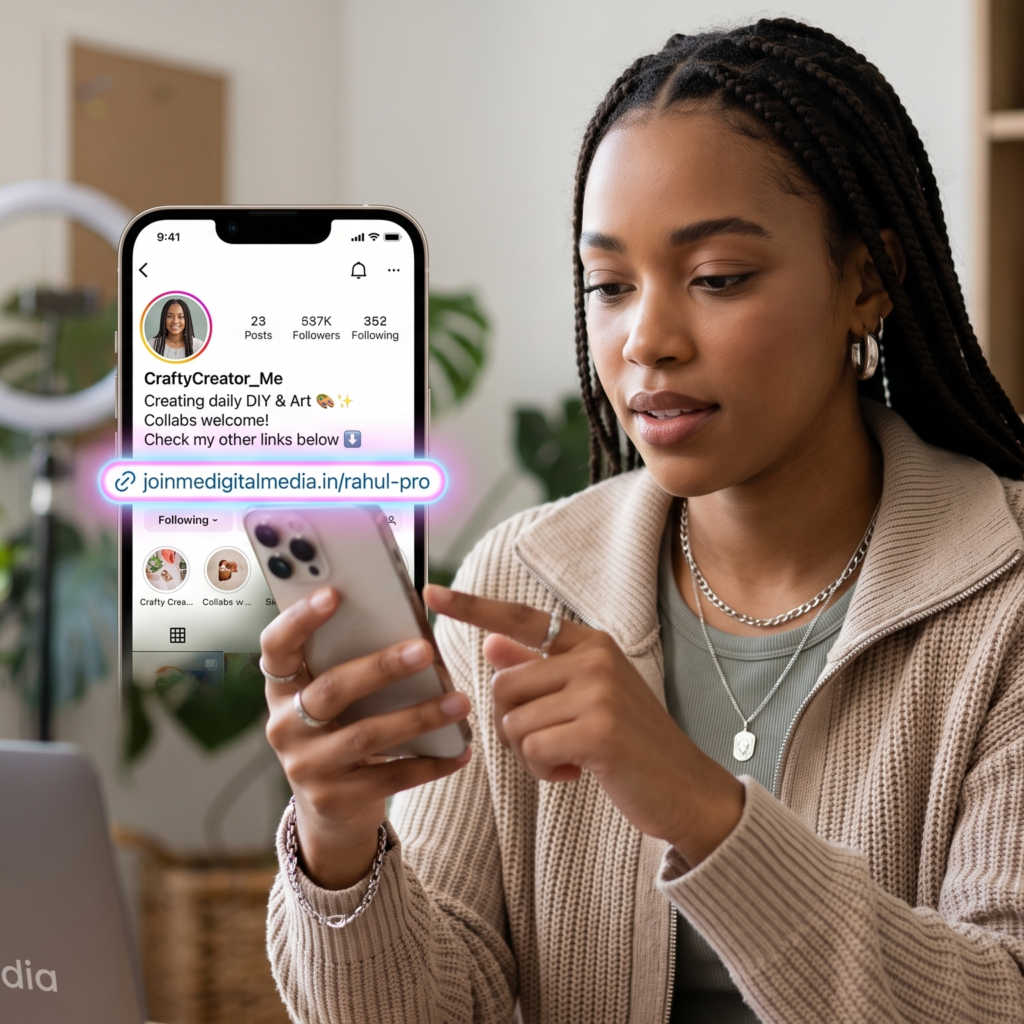
    Modern platforms allow you to create verified creator profiles. This isn’t just a list of boring blue links on a white background anymore. You can add a high-quality profile picture, a snappy biography, your location, the languages you speak, and even your niche categories (like Tech, Beauty, or Finance). It shows you take your craft seriously. When a brand clicks your link and sees a polished, well-organized profile instead of a messy social feed, your perceived value immediately skyrockets.

    Landing Brand Deals Just Got Easier

    Let’s talk about the ultimate goal for most creators: sponsorships and brand collaborations. Brands are busy. Influencer marketing managers sift through hundreds of profiles every single week. If they have to DM you and wait three days for a reply just to ask for your past work or your engagement stats, they will simply move on to the next creator.

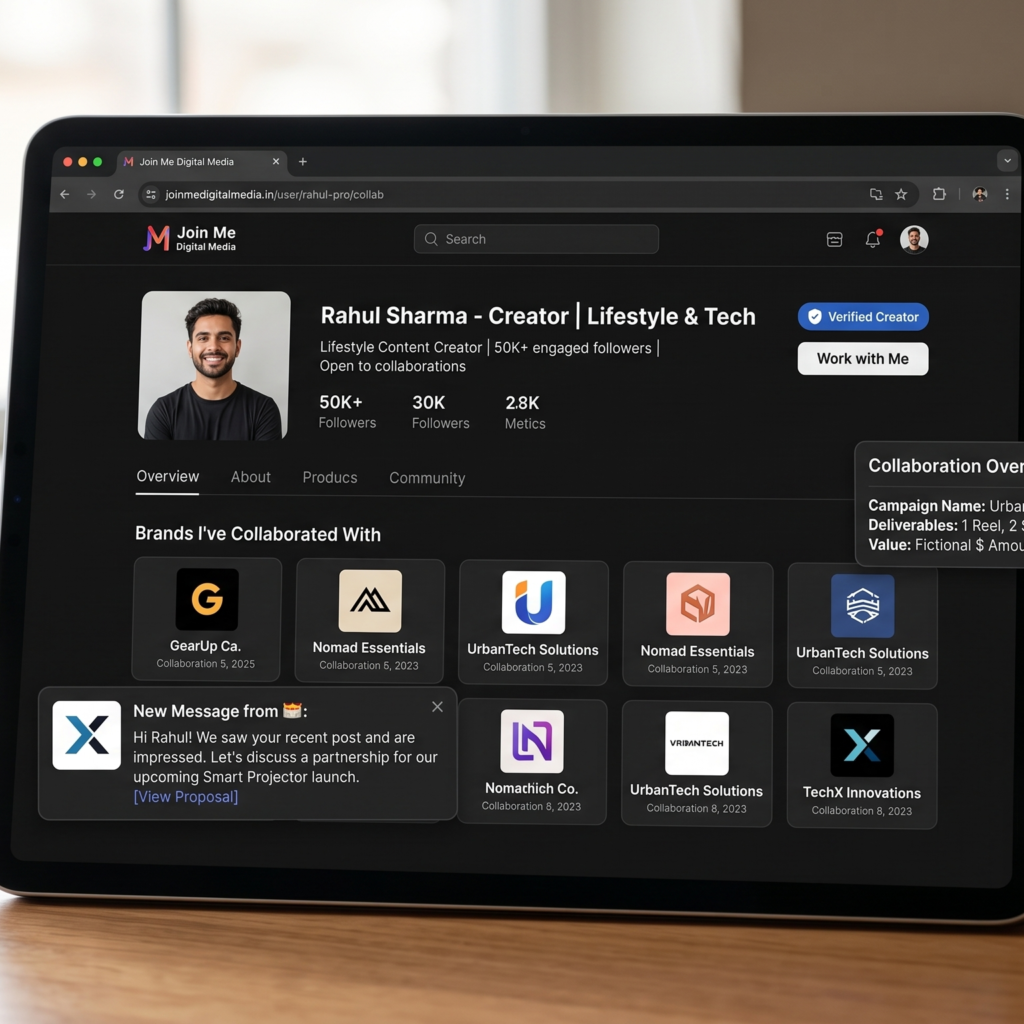
    By utilizing a robust link-in-bio platform, you can essentially host a mini media kit right on your profile. You can embed your most successful YouTube videos directly on the page so brands can see your video quality without leaving the app. You can include a direct “Contact Me” button that instantly opens a WhatsApp chat or an email draft with a pre-filled subject line.

    Furthermore, you can clearly list the types of collaborations you are open to. Are you looking for long-term ambassadorships? One-off sponsored reels? Product reviews? Stating this clearly on your digital card filters out the noise and brings serious inquiries straight to your inbox. It transforms your bio from a dead-end street into a high-converting business funnel.

    The Power of Audience Analytics

    If you don’t know who is clicking your links, you are flying blind. Posting content without tracking analytics is like throwing darts in the dark. When you use a raw YouTube or affiliate link in your bio, you might get a few basic stats from the platform itself, but you miss out on the big picture.

    A premium creator profile provides you with a dedicated dashboard. Imagine being able to log in and see exactly how many people visited your profile this week. Imagine knowing that 60% of your audience clicked on your Amazon storefront, but only 10% clicked on your latest blog post. This data is pure gold. It tells you exactly what your audience cares about.

    If you notice a massive spike in clicks on a specific affiliate product after posting a reel, you instantly know that type of content works, and you can double down on it. Additionally, having these solid numbers gives you massive leverage when negotiating rates with brands. You don’t just have to say, “I have good engagement.” You can proudly state, “My profile generates 5,000 unique link clicks every month.” Numbers don’t lie, and brands pay for numbers.

    Skyrocketing Your SEO and Google Discoverability

    Here is a secret that many creators haven’t figured out yet: Social media algorithms come and go, but Google Search is forever. Most social media profiles do not rank well on Google. If someone searches for your name, your Instagram might pop up, but it won’t show a structured overview of your work.

    Advanced link-in-bio platforms are built with Search Engine Optimization (SEO) in mind. When you create a detailed profile using your real name or your established creator handle, write a keyword-rich biography, and link out to your various highly-authorized platforms, Google takes notice. Over time, your link-in-bio page can actually rank on the first page of Google results when someone searches your name.

    This means that even if a fan or a sponsor isn’t using Instagram at that moment, a quick Google search will lead them directly to your verified digital identity. It is an incredible way to capture search traffic and turn random internet surfers into loyal followers.

    Monetization Made Simple

    Making money as a creator shouldn’t require you to be a senior web developer. Setting up a full WordPress e-commerce site can be expensive, time-consuming, and technically frustrating. Link-in-bio tools have democratized monetization.

    Within minutes, you can set up a space to generate passive income. Are you a fitness influencer? Drop your protein powder affiliate links directly on your page. Are you an artist? Add a link to your digital downloads or preset packs. Some platforms even allow you to integrate UPI payment links or “Buy me a coffee” buttons right on the profile.

    If a follower loved your latest free tutorial, they can drop a quick tip without having to navigate through a complicated checkout process. By removing the friction between your audience and the payment button, you drastically increase your chances of making a sale.

    Best Practices: How to Set Up Your Link-in-Bio for Maximum Impact

    If you are ready to set up your digital visiting card, don’t just throw ten links on a page and call it a day. Here is how the pros do it:

    • Keep it Clean and Clutter-Free: Don’t overwhelm your audience with 25 different links. Stick to your top 5 or 6 most important destinations. Too many choices lead to decision fatigue.
    • Use Action-Oriented Text: Instead of naming a link “YouTube,” name it “Watch my latest VLOG!” Tell the user exactly what you want them to do.
    • Highlight Your Best Work: Use features like thumbnails or embedded videos to make your most important link stand out from the rest.
    • Write a Compelling Bio: Don’t leave the “About Me” section blank. Write two or three sentences explaining who you are, what kind of content you make, and why they should stick around.
    • Update Regularly: Your link-in-bio is a living document. Make it a habit to update it every time you launch a new major project, video, or campaign.

    The Bottom Line

    The creator economy is shifting from amateur content creation to professional media businesses. If you want to be treated like a professional by brands, algorithms, and your audience, you need to present yourself as one.

    A link-in-bio tool is no longer just a workaround for Instagram’s restrictions. It is the command center for your entire digital brand. It drives traffic, captures analytics, simplifies monetization, and serves as your interactive digital visiting card. If you want to thrive in 2026 and beyond, claiming your custom digital identity isn’t just an option—it is an absolute necessity.

    Take a few minutes today to set up your unified profile. Organize your links, write a great bio, and watch how it transforms the way the digital world interacts with you.

    The Ultimate Guide: Why Every Content Creator Needs a Premium Link-in-Bio Tool in 2026

    Let’s be completely honest for a second. Being a content creator in 2026 is nothing like it was five years ago. Back then, you could post a decent video, use a few hashtags, and watch the followers roll in. Today? The creator economy is a massive, bustling industry. It’s a legitimate career path, which means the competition is fiercer than ever.

    You are no longer just someone who makes videos or posts photos. You are a brand. You are a business. And like any successful business, you need a central hub—a digital storefront where your audience, and more importantly, potential brand partners, can find everything about you.

    If you are still relying on that one single link in your Instagram or TikTok bio and constantly swapping it out every time you drop a new video, you are leaving money and opportunities on the table. Enter the modern “Link-in-Bio” tool. It has evolved from a simple list of hyperlinks into a powerful, fully customizable digital visiting card. Here is exactly why every serious influencer, artist, and professional needs a premium link-in-bio platform today, and how it can completely transform your digital presence.

    The Frustrating “One Link” Limitation

    We have all been there. You just uploaded a brand new YouTube vlog, so you rush to your Instagram bio, delete the link to your latest merch drop, and paste the new YouTube link. Then, in your Stories, you say, “Link in bio!”

    But what happens when a new follower discovers your page three days later? They click the link expecting to find your merch, but instead, they are taken to a YouTube video they weren’t looking for. They get confused, they click away, and you lose a potential sale.

    Social media platforms are notoriously stingy with outbound links. They want to keep users on their app for as long as possible. Instagram gives you one link. Twitter (X) gives you one. But as a creator in 2026, you are multi-dimensional. You likely have:

    • A YouTube channel for long-form content.
    • A Facebook page for community engagement.
    • A portfolio or media kit for brand sponsorships.
    • Affiliate links for your favorite gear and setups.
    • A WhatsApp contact number for immediate business inquiries.
    • A Spotify playlist or podcast for your audience to stream.

    Trying to squeeze your entire digital life into one URL is impossible. A link-in-bio tool solves this instantly by acting as a landing page. You put one permanent link in your social profiles, and when someone clicks it, a beautifully designed menu opens up, offering them access to your entire universe.

    It Acts as Your Digital Visiting Card

    Remember physical business cards? In the corporate world, handing over a crisp piece of paper with your name and number was the ultimate networking move. In the creator economy, your link-in-bio is your digital visiting card.

    When you meet a brand representative at an event, or when a sponsor discovers your reel on the explore page, they don’t want to hunt down your email address hidden in an old caption. They want immediate access to who you are, what you do, and how to reach you.

    Modern platforms allow you to create verified creator profiles. This isn’t just a list of boring blue links on a white background anymore. You can add a high-quality profile picture, a snappy biography, your location, the languages you speak, and even your niche categories (like Tech, Beauty, or Finance). It shows you take your craft seriously. When a brand clicks your link and sees a polished, well-organized profile instead of a messy social feed, your perceived value immediately skyrockets.

    Landing Brand Deals Just Got Easier

    Let’s talk about the ultimate goal for most creators: sponsorships and brand collaborations. Brands are busy. Influencer marketing managers sift through hundreds of profiles every single week. If they have to DM you and wait three days for a reply just to ask for your past work or your engagement stats, they will simply move on to the next creator.

    By utilizing a robust link-in-bio platform, you can essentially host a mini media kit right on your profile. You can embed your most successful YouTube videos directly on the page so brands can see your video quality without leaving the app. You can include a direct “Contact Me” button that instantly opens a WhatsApp chat or an email draft with a pre-filled subject line.

    Furthermore, you can clearly list the types of collaborations you are open to. Are you looking for long-term ambassadorships? One-off sponsored reels? Product reviews? Stating this clearly on your digital card filters out the noise and brings serious inquiries straight to your inbox. It transforms your bio from a dead-end street into a high-converting business funnel.

    The Power of Audience Analytics

    If you don’t know who is clicking your links, you are flying blind. Posting content without tracking analytics is like throwing darts in the dark. When you use a raw YouTube or affiliate link in your bio, you might get a few basic stats from the platform itself, but you miss out on the big picture.

    A premium creator profile provides you with a dedicated dashboard. Imagine being able to log in and see exactly how many people visited your profile this week. Imagine knowing that 60% of your audience clicked on your Amazon storefront, but only 10% clicked on your latest blog post. This data is pure gold. It tells you exactly what your audience cares about.

    If you notice a massive spike in clicks on a specific affiliate product after posting a reel, you instantly know that type of content works, and you can double down on it. Additionally, having these solid numbers gives you massive leverage when negotiating rates with brands. You don’t just have to say, “I have good engagement.” You can proudly state, “My profile generates 5,000 unique link clicks every month.” Numbers don’t lie, and brands pay for numbers.

    Skyrocketing Your SEO and Google Discoverability

    Here is a secret that many creators haven’t figured out yet: Social media algorithms come and go, but Google Search is forever. Most social media profiles do not rank well on Google. If someone searches for your name, your Instagram might pop up, but it won’t show a structured overview of your work.

    Advanced link-in-bio platforms are built with Search Engine Optimization (SEO) in mind. When you create a detailed profile using your real name or your established creator handle, write a keyword-rich biography, and link out to your various highly-authorized platforms, Google takes notice. Over time, your link-in-bio page can actually rank on the first page of Google results when someone searches your name.

    This means that even if a fan or a sponsor isn’t using Instagram at that moment, a quick Google search will lead them directly to your verified digital identity. It is an incredible way to capture search traffic and turn random internet surfers into loyal followers.

    Monetization Made Simple

    Making money as a creator shouldn’t require you to be a senior web developer. Setting up a full WordPress e-commerce site can be expensive, time-consuming, and technically frustrating. Link-in-bio tools have democratized monetization.

    Within minutes, you can set up a space to generate passive income. Are you a fitness influencer? Drop your protein powder affiliate links directly on your page. Are you an artist? Add a link to your digital downloads or preset packs. Some platforms even allow you to integrate UPI payment links or “Buy me a coffee” buttons right on the profile.

    If a follower loved your latest free tutorial, they can drop a quick tip without having to navigate through a complicated checkout process. By removing the friction between your audience and the payment button, you drastically increase your chances of making a sale.

    Best Practices: How to Set Up Your Link-in-Bio for Maximum Impact

    If you are ready to set up your digital visiting card, don’t just throw ten links on a page and call it a day. Here is how the pros do it:

    • Keep it Clean and Clutter-Free: Don’t overwhelm your audience with 25 different links. Stick to your top 5 or 6 most important destinations. Too many choices lead to decision fatigue.
    • Use Action-Oriented Text: Instead of naming a link “YouTube,” name it “Watch my latest VLOG!” Tell the user exactly what you want them to do.
    • Highlight Your Best Work: Use features like thumbnails or embedded videos to make your most important link stand out from the rest.
    • Write a Compelling Bio: Don’t leave the “About Me” section blank. Write two or three sentences explaining who you are, what kind of content you make, and why they should stick around.
    • Update Regularly: Your link-in-bio is a living document. Make it a habit to update it every time you launch a new major project, video, or campaign.

    Part 2: The Complete Guide to Landing Brand Deals and Sponsorships on Instagram and YouTube in 2026

    So, you’ve optimized your digital presence. Your link-in-bio is set up, your profile looks incredibly professional, and your audience is engaged. What comes next? Getting paid for your hard work.

    One of the biggest misconceptions in the creator economy is that you need a million followers to start making money through sponsorships. I see creators all the time who hit 10,000, 50,000, or even 100,000 followers, and they just sit around waiting for brands to magically slide into their DMs. Let’s be very clear: if you wait for brands to come to you, you are going to be waiting a very long time. You have to go to them.

    The rules of influencer marketing have shifted. Brands no longer just throw money at the biggest celebrities. They are looking for conversions, authenticity, and niche communities. Whether you have 5,000 highly engaged followers or 500,000, here is exactly how you can start landing paying sponsorships in 2026.

    1. The Myth of the Follower Count (And Why Engagement Wins)

    Let’s bust the biggest myth right now: follower count is largely a vanity metric. If you have 200,000 followers but your YouTube videos only get 1,500 views, brands will notice. On the flip side, if you have only 8,000 followers but your audience trusts you so much that 500 of them click your links and buy what you recommend, you are highly valuable to advertisers.

    Brands in 2026 are obsessed with Micro and Nano-influencers (creators with 5,000 to 50,000 followers). Why? Because micro-influencers usually have a very specific niche—like vintage camera restoration, budget vegan cooking, or indie game development. When a brand sells a product in that niche, they know your audience is the perfect target.

    Before you pitch to any brand, calculate your engagement rate. Take your average likes and comments per post, divide that by your total followers, and multiply by 100. If your engagement rate is anywhere above 3% to 5%, you have leverage. Don’t let a smaller audience discourage you from pitching.

    2. Crafting the Perfect Media Kit

    If your link-in-bio is your digital visiting card, your Media Kit is your creator resume. When you reach out to a brand, you need a document (usually a slick, 2-to-3 page PDF) that tells them exactly why they should hire you.

    Do not overcomplicate this. A great media kit should include:

    • A Short Bio: Who are you? What is your mission? Who is your audience? (e.g., “I create easy-to-follow tech tutorials for college students on a budget.”)
    • Demographics: Where is your audience from? What is their age range and gender split? You can easily find this in your Instagram or YouTube analytics.
    • Hard Stats: List your follower count, but more importantly, list your average views per video, average story views, and your engagement rate.
    • Past Work (Case Studies): If you have worked with a brand before, show the results. If you haven’t, show how a video featuring your favorite product performed organically.
    • Your Rates: We will talk more about pricing later, but having a clear starting rate saves everyone time.

    3. Finding the Right Brands to Pitch

    One of the biggest mistakes creators make is pitching the wrong companies. If you have 10,000 followers, do not pitch Apple, Nike, or Samsung. Those global mega-brands have agencies that handle their multi-million dollar ad buys. You need to target brands that are actively spending money on creators your size.

    How do you find them? It’s easier than you think:

    Look at your peers: Find 5 to 10 creators in your specific niche who are slightly bigger than you. Look at their past 30 videos or posts. Who sponsored them? If a mid-sized software company sponsored a creator with 30,000 subscribers, they are highly likely to sponsor a creator with 15,000 subscribers who has the same audience.

    Search specific hashtags: Go to Instagram or YouTube and search for `#sponsored`, `#ad`, or `#partner` alongside your niche keyword (e.g., `#sponsored #skincareroutine`). Take note of the brands popping up in those posts. Compile them into a spreadsheet. That is your target list.

    4. The Art of the Cold Pitch (An Email Template)

    Now that you have a list of brands, you need to find the right person to contact. Do not send an email to `info@brand.com` or `support@brand.com`. Go to LinkedIn, search for the brand name, and look for titles like “Influencer Marketing Manager,” “PR Manager,” or “Social Media Coordinator.” Find their specific email using tools like Hunter.io.

    When you write your email, keep it incredibly short. These managers get hundreds of emails a day. Do not send them a 5-paragraph essay about your life story. Here is a proven structure you can adapt:

    Subject: Collaboration Idea: [Your Channel Name] x [Brand Name]

    Hi [Name],

    I absolutely love what your team is doing with [Specific Product]. I’ve actually been using it for the last two months and it has completely changed my workflow.

    I run the channel [Your Channel Name], where I create content about [Your Niche] for a highly engaged audience of [Number] followers. My recent video on [Similar Topic] generated [Number] views and a lot of positive discussions.

    I have a great idea for a dedicated video featuring [Product Name] that I know my audience would love. I’ve attached my media kit with my demographics and rates for your review.

    Do you have 5 minutes next Tuesday to chat about a potential partnership?

    Best,
    [Your Name] – [Link to your Link-in-Bio profile]

    Notice what this email does? It is personalized, it gets straight to the point, it proves your value with numbers, and it offers a specific idea rather than just asking for money.

    5. Pricing Your Value: How Much Should You Charge?

    Pricing is the most stressful part for new creators. You don’t want to overcharge and lose the deal, but you definitely don’t want to undercharge and get taken advantage of.

    While pricing varies wildly depending on your niche (finance channels can charge much more than entertainment channels), a good baseline formula for 2026 is based on CPM (Cost Per Mille, or cost per 1,000 views).

    Instead of charging based on total followers, charge based on your average views over your last 10 videos. A standard starting rate is around $20 to $30 per 1,000 average views for a dedicated YouTube integration, and around $10 to $15 per 1,000 average views for an Instagram Reel.

    But remember, you are not just selling views. You need to charge extra for:

    • Usage Rights: If the brand wants to take your video and run it as an ad on their own Facebook page, you must charge them an extra 20% to 50% for usage rights.
    • Exclusivity: If they demand that you don’t work with any of their competitors for 3 months, charge an exclusivity fee.
    • Fast Turnaround: If they need the video filmed and edited in 48 hours, apply a rush fee.

    6. Delivering Over and Above

    Getting the brand to say “yes” and signing the contract is only half the battle. The real secret to a lucrative career in content creation is turning a one-off deal into a long-term, recurring partnership. It is much easier to work with the same brand 5 times than it is to find 5 new brands.

    To do this, you must treat the sponsorship like a professional business transaction. Communicate clearly. Never miss a deadline for submitting a draft. Be polite and accommodating if they ask for a revision.

    Once the campaign goes live, don’t just take the money and run. Wait two weeks, compile all the analytics (views, likes, comments, and especially link clicks from your bio), and send the brand a “Campaign Wrap-Up Report.” Very few creators do this. When you hand a brand a neat report showing exactly how well the campaign performed, you instantly stand out as a true professional. End that email by saying, “I loved working on this. Let me know when you are planning your next quarter’s budget, I have a few more ideas for us.”

    The Final Word

    Monetizing your content through brand deals is a numbers game. You might pitch 30 brands, get 25 rejections, 4 people who never reply, and 1 person who says yes. That one “yes” is all you need to get started.

    By optimizing your digital footprint with a solid link-in-bio tool, crafting a data-driven media kit, and pitching strategically, you take the power back into your own hands. Stop waiting to be discovered, and start building your creator business today.

  • Creators के लिए Personal Branding क्यों ज़रूरी है और इसकी शुरुआत कैसे करें? (2026 Guide)

    Creators के लिए Personal Branding क्यों ज़रूरी है और इसकी शुरुआत कैसे करें? (2026 Guide)

    Introduction: आज से कुछ साल पहले, ‘ब्रांड’ (Brand) शब्द सुनते ही हमारे दिमाग में Apple, Nike या Tata जैसी बड़ी कंपनियों का नाम आता था। लेकिन 2026 की डिजिटल दुनिया में, खेल पूरी तरह से बदल चुका है। आज के समय में हर व्यक्ति, हर क्रिएटर और हर इन्फ्लुएंसर अपने आप में एक ‘ब्रांड’ है।

    क्या आपने कभी सोचा है कि दो क्रिएटर्स जो एक ही टॉपिक पर वीडियो बनाते हैं, उनमें से एक को लाखों के स्पॉन्सरशिप मिलते हैं और दूसरे को कोई नहीं पूछता? इसका सबसे बड़ा कारण है— Personal Branding (पर्सनल ब्रांडिंग)।

    अगर आप एक क्रिएटर हैं और लंबे समय तक इस इंडस्ट्री में टिकना चाहते हैं, तो सिर्फ अच्छे वीडियोस बनाना काफी नहीं है। आपको अपना एक नाम, एक पहचान और एक ‘डिजिटल आइडेंटिटी’ बनानी होगी। इस आर्टिकल में हम जानेंगे कि क्रिएटर्स के लिए पर्सनल ब्रांडिंग क्यों इतनी ज़रूरी है और आप आज से ही इसकी शुरुआत कैसे कर सकते हैं।

    Personal Branding (पर्सनल ब्रांडिंग) क्या है?

    सिंपल शब्दों में कहा जाए तो, “जब आप कमरे में नहीं होते हैं, तब लोग आपके बारे में क्या बात करते हैं, वही आपका पर्सनल ब्रांड है।”

    एक क्रिएटर के तौर पर पर्सनल ब्रांडिंग का मतलब है कि इंटरनेट पर आपकी छवि कैसी है। लोग आपको किस लिए जानते हैं? क्या आप एक ‘टेक एक्सपर्ट’ हैं? क्या आप एक ‘कॉमेडी किंग’ हैं? या फिर आप ‘फाइनेंस गुरु’ हैं? आपकी यह खास पहचान, आपका काम करने का तरीका, आपके थंबनेल का स्टाइल और आपकी ऑडियंस के साथ आपका कनेक्शन—यह सब मिलकर आपका ‘Personal Brand’ बनाता है।

    2026 में Creators के लिए Personal Branding क्यों ज़रूरी है?

    1. भीड़ से अलग पहचान बनाना (Stand Out from the Crowd)

    आज के समय में रोज़ लाखों रील्स और यूट्यूब शॉर्ट्स अपलोड होते हैं। इंटरनेट पर इतनी ज्यादा भीड़ है कि अगर आपकी कोई अलग पहचान नहीं है, तो लोग आपको तुरंत भूल जाएंगे। एक स्ट्रॉन्ग पर्सनल ब्रांड आपको इस भीड़ से अलग करता है। लोग आपके वीडियोस सिर्फ इसलिए नहीं देखेंगे कि टॉपिक अच्छा है, बल्कि इसलिए देखेंगे क्योंकि वो वीडियो आपने बनाया है।

    2. ब्रांड्स और स्पॉन्सर्स का भरोसा (Trust of Brands & Sponsors)

    कोई भी कंपनी अपना पैसा उस क्रिएटर पर लगाना चाहती है जिस पर लोगों का भरोसा हो। जब आपकी पर्सनल ब्रांडिंग अच्छी होती है, तो आप सिर्फ एक ‘व्यूज लाने वाले क्रिएटर’ नहीं, बल्कि एक ‘ओपिनियन लीडर’ (Opinion Leader) बन जाते हैं। ब्रांड्स ऐसे क्रिएटर्स को साधारण लोगों के मुकाबले 5 गुना ज़्यादा पैसे देने को तैयार रहते हैं क्योंकि आपके कहने पर लोग उनका प्रोडक्ट खरीदते हैं।

    3. मोनेटाइजेशन और लॉन्ग-टर्म करियर (Long-term Monetization)

    यूट्यूब चैनल डिलीट हो सकता है, इंस्टाग्राम का एल्गोरिदम बदल सकता है, लेकिन आपका ‘नाम’ हमेशा आपके साथ रहेगा। अगर आपके पास एक स्ट्रॉन्ग पर्सनल ब्रांड है, तो आप अपने खुद के प्रोडक्ट्स (जैसे टी-शर्ट्स, कोर्सेस, या ई-बुक्स) लॉन्च कर सकते हैं। आपकी ऑडियंस उन्हें खुशी-खुशी खरीदेगी क्योंकि वे आपके ‘ब्रांड’ से प्यार करते हैं।

    Personal Branding की शुरुआत कैसे करें? (Step-by-Step Guide)

    अगर आपने अभी तक अपनी पर्सनल ब्रांडिंग पर काम शुरू नहीं किया है, तो चिंता की कोई बात नहीं। आप इन 4 आसान स्टेप्स से आज ही शुरुआत कर सकते हैं:

    Step 1: अपनी Niche (कंटेंट की कैटेगरी) और आवाज़ (Voice) तय करें

    सबसे पहले यह तय करें कि आप किस एक चीज़ में एक्सपर्ट हैं। आप सब कुछ नहीं कर सकते। अगर आप ट्रैवलिंग पर वीडियो बनाते हैं, तो अपनी पूरी ब्रांडिंग उसी के इर्द-गिर्द रखें। आपका बात करने का तरीका (Tone of voice) कैसा है? क्या आप सीरियस रहते हैं या मज़ाकिया? इसे फिक्स करें और हर वीडियो में वैसा ही रहें।

    Step 2: अपनी एक ‘डिजिटल आइडेंटिटी’ (Digital Identity) बनाएं

    यह सबसे महत्वपूर्ण स्टेप है। एक ब्रांड का हमेशा एक ऑफिस या हेडक्वार्टर होता है। इंटरनेट पर आपका हेडक्वार्टर आपका “Link-in-Bio” पेज होता है। आपको अपने सारे सोशल मीडिया प्रोफाइल्स को एक साथ जोड़ना होगा। इसके लिए Join Me Digital Media 2026 का सबसे बेहतरीन प्लेटफार्म है।

    • यहाँ आप अपनी एक कस्टमाइज़्ड क्रिएटर प्रोफाइल बना सकते हैं।
    • आप अपने YouTube, Instagram, X (Twitter), और WhatsApp के लिंक्स एक ही जगह रख सकते हैं।
    • जब कोई ब्रांड आपकी प्रोफाइल पर आएगा, तो उसे एक ही जगह आपका पूरा पोर्टफोलियो मिल जाएगा, जो एक बहुत ही प्रोफेशनल इम्प्रेशन डालता है।

    Step 3: हर प्लेटफार्म पर एक जैसी पहचान (Consistency is Key)

    एक बहुत बड़ी गलती जो क्रिएटर्स करते हैं, वो यह है कि उनका इंस्टाग्राम पर नाम अलग होता है, यूट्यूब पर अलग और प्रोफाइल पिक्चर भी हर जगह अलग होती है। अपने पर्सनल ब्रांड को मजबूत करने के लिए:

    • हर सोशल मीडिया प्लेटफार्म पर एक ही प्रोफाइल पिक्चर (DP) का इस्तेमाल करें।
    • कोशिश करें कि आपका Username हर जगह एक जैसा हो (जैसे: @RahulVlogs)।
    • अपने चैनल बैनर और डिज़ाइन में एक ही तरह के कलर्स (Color Theme) का इस्तेमाल करें।

    Step 4: अपनी कम्युनिटी के साथ सच्चा कनेक्शन बनाएं

    एक ब्रांड तभी बड़ा बनता है जब उसके कस्टमर्स उस पर भरोसा करते हैं। क्रिएटर्स के मामले में कस्टमर्स आपकी ‘ऑडियंस’ है।

    • उनके कमेंट्स का दिल से रिप्लाई करें।
    • उनके साथ अपनी लाइफ के ‘Behind the Scenes’ (पर्दे के पीछे की कहानी) शेयर करें।
    • अपनी Join Me Digital Media प्रोफाइल पर एक ‘Contact Me’ या ‘WhatsApp’ का बटन लगाएं, ताकि आपकी ऑडियंस आपसे एक पर्सनल कनेक्शन महसूस कर सके।

    निष्कर्ष (Conclusion)

    2026 में, कंटेंट क्रिएट करना एक बहुत बड़ा बिज़नेस बन चुका है। अगर आप खुद को एक ब्रांड की तरह ट्रीट नहीं करेंगे, तो ब्रांड्स भी आपको सीरियसली नहीं लेंगे। Personal Branding सिर्फ एक फैंसी शब्द नहीं है; यह आपके करियर की नींव है।

    अपने नाम को एक पहचान दें, अपने काम में कंसिस्टेंसी (लगातार मेहनत) लाएं और अपनी एक मजबूत डिजिटल आइडेंटिटी बनाएं। अगर आप अपने ब्रांड को अगले लेवल पर ले जाना चाहते हैं, तो बिना समय बर्बाद किए Join Me Digital Media पर अपनी एक प्रोफेशनल ‘Link-in-Bio’ प्रोफाइल सेटअप करें। यह 100% फ्री है और आपको भीड़ से अलग दिखने में पूरी मदद करेगा!

  • नए Influencers की 5 सबसे बड़ी गलतियां और उनसे कैसे बचें? (2026 Guide)

    नए Influencers की 5 सबसे बड़ी गलतियां और उनसे कैसे बचें? (2026 Guide)

    आज के डिजिटल युग में हर कोई एक ‘Influencer’ या ‘Content Creator’ बनना चाहता है। 2026 में क्रिएटर इकॉनमी (Creator Economy) अपने चरम पर है। रोज़ाना हज़ारों लोग Instagram, YouTube और Facebook पर अपना सफर शुरू कर रहे हैं।

    लेकिन एक कड़वा सच यह भी है कि इनमें से 90% नए क्रिएटर्स पहले एक साल में ही हार मान लेते हैं। आखिर ऐसा क्यों होता है? टैलेंट और अच्छी क्वालिटी के वीडियोस होने के बावजूद वे सफल क्यों नहीं हो पाते?

    इसका मुख्य कारण है कुछ ऐसी आम गलतियां, जो लगभग हर नया इन्फ्लुएंसर अनजाने में करता है। इस आर्टिकल में हम नए Influencers की 5 सबसे बड़ी गलतियों के बारे में विस्तार से बात करेंगे और जानेंगे कि आप एक स्मार्ट क्रिएटर बनकर इन गलतियों से कैसे बच सकते हैं।

    गलती 1: अपनी ऑडियंस को बिखरा हुआ छोड़ना (Scattered Audience)

    नए क्रिएटर्स सबसे बड़ी गलती यह करते हैं कि वे अपनी ऑडियंस को सही दिशा नहीं दिखाते। मान लीजिए, आपका एक वीडियो YouTube पर वायरल हो गया और उस पर 1 लाख व्यूज आ गए। अगर उन दर्शकों को आपका Instagram अकाउंट या आपकी वेबसाइट नहीं मिली, तो वे आपको सिर्फ YouTube तक ही सीमित रखेंगे।

    ज़्यादातर नए क्रिएटर्स अपने बायो (Bio) में कोई लिंक नहीं डालते या फिर सिर्फ एक प्लेटफार्म का लंबा सा URL डाल देते हैं, जो बहुत अनप्रोफेशनल लगता है।

    इससे कैसे बचें? (The Solution)

    आपको अपनी पूरी ऑडियंस को एक ही जगह (Central Hub) पर लाना होगा। इसके लिए 2026 में “Link-in-Bio” टूल्स का इस्तेमाल करना सबसे ज़रूरी है। आप Join Me Digital Media पर अपनी एक शानदार क्रिएटर प्रोफाइल बना सकते हैं।

    • अपने Instagram, Facebook, और YouTube के बायो में अपनी Join Me प्रोफाइल का एक सिंगल लिंक डालें।
    • जब कोई यूज़र उस पर क्लिक करेगा, तो उसे आपके सारे सोशल मीडिया अकाउंट्स, लेटेस्ट वीडियोस और पोर्टफोलियो एक ही जगह मिल जाएंगे।
    • इससे आपके हर प्लेटफार्म पर सब्सक्राइबर्स और फॉलोवर्स तेज़ी से बढ़ेंगे।

    गलती 2: सिर्फ फॉलोवर्स के पीछे भागना, कम्युनिटी नहीं बनाना

    “मेरे 10,000 फॉलोवर्स कब होंगे?” – नए इन्फ्लुएंसर्स का पूरा ध्यान सिर्फ नंबर्स (Numbers) पर होता है। वे फॉलोवर्स बढ़ाने के लिए कई बार गलत तरीके (जैसे फेक फॉलोवर्स या फालतू के ट्रेंड्स) भी अपना लेते हैं।

    ब्रांड्स और स्पॉन्सर्स आज के समय में सिर्फ फॉलोवर्स नहीं देखते; वे आपकी Engagement Rate (लोग आपके कंटेंट पर कितना लाइक, कमेंट और शेयर कर रहे हैं) देखते हैं। 1 लाख फेक फॉलोवर्स से बेहतर 10 हज़ार लॉयल (Loyal) फॉलोवर्स हैं जो आप पर भरोसा करते हैं।

    इससे कैसे बचें?

    अपनी ऑडियंस के कमेंट्स का रिप्लाई करें।

    उनसे Instagram Stories और YouTube Community Tab के ज़रिए सवाल पूछें।

    प्रो टिप: अपनी ‘Join Me Digital Media’ प्रोफाइल पर एक WhatsApp या Contact बटन लगाएँ। जब आप अपने लॉयल फैंस को आपसे सीधे जुड़ने का मौका देते हैं, तो एक स्ट्रॉन्ग कम्युनिटी बनती है जो लाइफटाइम आपका साथ देती है।

    गलती 3: ब्रांड कोलैबोरेशन के लिए अनप्रोफेशनल तरीका (Unprofessional Brand Pitching)

    जब नए क्रिएटर्स के 5-10 हज़ार फॉलोवर्स हो जाते हैं, तो वे ब्रांड्स को कोलैबोरेशन के लिए डायरेक्ट मैसेज (DM) करने लगते हैं— “Hi, I have 10k followers, please give me sponsor.”

    यह तरीका बिल्कुल गलत और अनप्रोफेशनल है। कोई भी अच्छा ब्रांड ऐसे मैसेज का रिप्लाई नहीं करता। अगर आप खुद को एक बिज़नेस के तौर पर पेश नहीं करेंगे, तो ब्रांड्स आपको सीरियसली नहीं लेंगे।

    इससे कैसे बचें?

    आपको अपना एक डिजिटल पोर्टफोलियो (Digital Portfolio) या मीडिया किट (Media Kit) बनाना चाहिए।

    • ब्रांड्स को हमेशा एक अच्छी और प्रोफेशनल ईमेल लिखें।
    • उस ईमेल में अपनी Join Me Digital Media प्रोफाइल का लिंक दें।
    • आपकी प्रोफाइल पर आपकी पिछली ब्रांड डील्स, आपके बेस्ट वीडियोस, आपके एनालिटिक्स और आपके काम करने का तरीका स्पष्ट रूप से दिखना चाहिए। जब ब्रांड्स आपकी ऐसी प्रोफेशनल प्रोफाइल देखते हैं, तो आपको डील्स मिलने के चांस 10 गुना बढ़ जाते हैं।

    गलती 4: एनालिटिक्स और डेटा को इग्नोर करना (Ignoring Analytics)

    नए इन्फ्लुएंसर्स अक्सर सिर्फ कंटेंट बनाने पर फोकस करते हैं, लेकिन यह नहीं देखते कि उनके दर्शकों को क्या पसंद आ रहा है। वे यह ट्रैक नहीं करते कि उनके लिंक पर कितने क्लिक्स आ रहे हैं, लोग किस देश या शहर से उनके वीडियो देख रहे हैं, या कौन सा एफिलिएट लिंक (Affiliate Link) सबसे ज़्यादा पैसा कमा कर दे रहा है।

    बिना डेटा के सोशल मीडिया पर काम करना, अंधेरे में तीर चलाने के बराबर है।

    इससे कैसे बचें?

    डेटा को अपना सबसे अच्छा दोस्त बनाएं।

    • Instagram Insights और YouTube Analytics को हर हफ्ते चेक करें।
    • अगर आप Join Me Digital Media का इस्तेमाल कर रहे हैं, तो इसके इनबिल्ट ‘Creator Dashboard’ को रोज़ चेक करें।
    • वहाँ देखें कि आपके “Total Page Views” कितने हैं, “Link Clicks” कितने हैं, और कौन सा प्लेटफार्म आपको सबसे ज़्यादा ट्रैफिक दे रहा है। इस डेटा के आधार पर अपनी अगली कंटेंट स्ट्रेटेजी बनाएं।

    गलती 5: कमाई के अलग-अलग तरीकों का इस्तेमाल न करना (Not Diversifying Income)

    ज़्यादातर नए क्रिएटर्स सोचते हैं कि जब उनका YouTube चैनल मोनेटाइज होगा या जब ब्रांड डील्स मिलेंगी, तभी वे पैसा कमाएंगे। वे शुरुआती दिनों में मोनेटाइजेशन के अन्य तरीकों को पूरी तरह से नज़रअंदाज़ कर देते हैं। इस वजह से वे जल्दी डिमोटिवेट (Demotivate) हो जाते हैं।

    इससे कैसे बचें?

    पहले दिन से ही अपनी कमाई के साधन (Income Streams) को डाइवर्सिफाई करें।

    • Affiliate Marketing: Amazon या Flipkart के एफिलिएट प्रोग्राम से जुड़ें और अपने गैजेट्स (कैमरा, माइक, ट्राइपॉड) के लिंक अपनी ‘Join Me’ प्रोफाइल पर लगाएं।
    • Direct Support/Tips: अपनी प्रोफाइल पर UPI या डोनेशन लिंक लगाएं ताकि जो लोग आपका कंटेंट पसंद करते हैं, वे आपको सपोर्ट कर सकें।
    • Digital Products: अगर आप किसी चीज़ में एक्सपर्ट हैं (जैसे फोटो एडिटिंग, फिटनेस या कोडिंग), तो अपनी ई-बुक (e-book) या कोर्स बनाएं और उसका लिंक अपने Link-in-Bio में प्रमोट करें।

    निष्कर्ष (Conclusion)

    एक सफल इन्फ्लुएंसर बनना कोई एक रात का काम नहीं है; यह एक बिज़नेस है। अगर आप ऊपर बताई गई 5 गलतियों से बचते हैं—यानी अपनी ऑडियंस को एक जगह लाते हैं, कम्युनिटी बनाते हैं, प्रोफेशनल अप्रोच रखते हैं, डेटा ट्रैक करते हैं, और कमाई के नए तरीके खोजते हैं—तो 2026 में आपको सफल होने से कोई नहीं रोक सकता।

    सबसे पहला और सबसे ज़रूरी कदम आज ही उठाएं। अपनी बिखरी हुई ऑडियंस को समेटें और एक स्ट्रॉन्ग डिजिटल आइडेंटिटी बनाएं। Join Me Digital Media पर आज ही अपना फ्री क्रिएटर अकाउंट बनाएं, अपने सारे लिंक्स ऐड करें और अपने सोशल मीडिया करियर को एक नई ऊंचाई पर ले जाएं!

  • 2026 में Creators और Influencers के लिए एक परफेक्ट “Link-in-Bio” क्यों ज़रूरी है?

    2026 में Creators और Influencers के लिए एक परफेक्ट “Link-in-Bio” क्यों ज़रूरी है?

    आज के डिजिटल युग में, सोशल मीडिया पर कंटेंट बनाना सिर्फ एक शौक नहीं रह गया है, बल्कि यह एक फुल-टाइम करियर बन चुका है। चाहे आप Instagram पर रील्स बनाते हों, YouTube पर व्लॉग्स डालते हों, या Facebook पर अपनी आर्ट शेयर करते हों—आपकी ऑडियंस हर जगह है। लेकिन एक सबसे बड़ी समस्या जो हर क्रिएटर फेस करता है, वो है: “अपनी ऑडियंस को अपने सभी प्लेटफॉर्म्स और स्पॉन्सर लिंक्स पर कैसे भेजें?”

    ज़्यादातर सोशल मीडिया प्लेटफॉर्म्स (जैसे Instagram या Twitter) आपको अपने बायो (Bio) में सिर्फ एक ही लिंक डालने की परमिशन देते हैं। यहीं पर “Link-in-Bio” टूल एक गेम-चेंजर साबित होता है। इस आर्टिकल में हम विस्तार से जानेंगे कि 2026 में हर क्रिएटर, इन्फ्लुएंसर और फ्रीलांसर के लिए एक एडवांस Link-in-Bio पेज होना क्यों ज़रूरी है, और यह आपकी कमाई को कैसे बढ़ा सकता है।

    Link-in-Bio क्या है और यह कैसे काम करता है?

    सरल शब्दों में, Link-in-Bio एक कस्टम लैंडिंग पेज (Landing Page) होता है जहाँ आप अपने सभी महत्वपूर्ण लिंक्स को एक ही जगह पर इकट्ठा कर सकते हैं।
    जब कोई यूजर आपके Instagram या YouTube के बायो में दिए गए उस एक लिंक पर क्लिक करता है, तो उसके सामने एक खूबसूरत पेज खुलता है। इस पेज पर आपके YouTube चैनल, WhatsApp कांटेक्ट, लेटेस्ट वीडियो, एफिलिएट लिंक्स, और पोर्टफोलियो—सब कुछ एक साथ मौजूद होता है।

    एक क्रिएटर को Link-in-Bio की ज़रूरत क्यों होती है? (5 बड़े कारण)

    1. सारी ऑडियंस को एक जगह से मैनेज करना (Centralized Traffic) अगर आपका एक नया YouTube वीडियो आया है और साथ ही आप किसी ब्रांड का प्रोडक्ट प्रमोट कर रहे हैं, तो आप Instagram बायो में कौन सा लिंक डालेंगे? अगर आप बार-बार लिंक बदलते हैं, तो पुरानी पोस्ट से आने वाले यूज़र्स को सही लिंक नहीं मिलेगा। एक Link-in-Bio पेज (जैसे Join Me Digital Media) आपको एक ही जगह पर अनलिमिटेड लिंक्स ऐड करने की आज़ादी देता है। आपकी ऑडियंस बिना भटके आपके सभी कंटेंट तक पहुँच सकती है।

    2. ब्रांड कोलैबोरेशन (Brand Collaborations) में आसानी जब कोई ब्रांड या स्पॉन्सर आपको प्रमोशन के लिए अप्रोच करता है, तो वे आपकी प्रोफेशनल अप्रोच देखते हैं। अगर आपके बायो में एक ऐसा लिंक है जो आपकी पूरी ‘डिजिटल आइडेंटिटी’ (Digital Identity) को दर्शाता है, तो इससे ब्रांड्स पर बहुत अच्छा प्रभाव पड़ता है। आप अपने Link-in-Bio में अपनी मीडिया किट (Media Kit), पिछले स्पॉन्सरशिप के रिज़ल्ट्स, और सीधा ‘Contact Me via WhatsApp’ का बटन लगा सकते हैं।

    3. Google Search और SEO में रैंकिंग (Ranking on Google) यह 2026 का सबसे बड़ा ट्रेंड है। पहले क्रिएटर्स सिर्फ सोशल मीडिया तक सीमित थे, लेकिन अब लोग क्रिएटर्स को Google पर भी सर्च करते हैं। अगर आप Join Me Digital Media जैसे एडवांस प्लेटफॉर्म का इस्तेमाल करते हैं, तो आपकी क्रिएटर प्रोफाइल ऑटोमैटिक SEO ऑप्टिमाइज़ हो जाती है। इसका मतलब है कि जब कोई Google पर आपका नाम सर्च करेगा (उदा: “Rahul Vlogs Join Me”), तो आपकी प्रोफाइल #1 पर रैंक कर सकती है। यह फीचर साधारण Link-in-Bio टूल्स में नहीं मिलता।

    4. मोनेटाइजेशन और कमाई के मौके (Monetization & Affiliate Earnings) एक स्मार्ट क्रिएटर सिर्फ एडसेंस (AdSense) या ब्रांड डील्स पर निर्भर नहीं रहता। वे एफिलिएट मार्केटिंग (Affiliate Marketing) से भी पैसे कमाते हैं। आप अपने Link-in-Bio पेज पर Amazon एफिलिएट लिंक्स, अपने खुद के मर्चेंडाइज (Merchandise) स्टोर का लिंक, या अपने कोर्सेज का लिंक डाल सकते हैं। इसके अलावा, आप डायरेक्ट UPI पेमेंट का बटन लगाकर अपनी ऑडियंस से सपोर्ट या डोनेशन भी प्राप्त कर सकते हैं।

    5. डेटा और एनालिटिक्स (Data Tracking & Analytics) बिना डेटा के सोशल मीडिया पर ग्रो करना हवा में तीर चलाने जैसा है। आपको यह जानना बहुत ज़रूरी है कि आपके कौन से लिंक पर सबसे ज़्यादा क्लिक्स आ रहे हैं। एक अच्छा प्लेटफॉर्म आपको पूरा डैशबोर्ड देता है जहाँ आप देख सकते हैं कि कितने लोगों ने आपकी प्रोफाइल विजिट की और किस लिंक (YouTube, Affiliate, या WhatsApp) पर सबसे ज़्यादा ट्रैफिक गया। इस डेटा का इस्तेमाल करके आप अपनी भविष्य की स्ट्रेटेजी बना सकते हैं।

    साधारण Link-in-Bio बनाम Join Me Digital Media

    मार्केट में बहुत से विदेशी टूल्स मौजूद हैं, लेकिन भारतीय क्रिएटर्स की ज़रूरतों को ध्यान में रखते हुए एक ऐसा प्लेटफॉर्म चाहिए जो तेज़ हो, सुरक्षित हो और जिसमें एक्स्ट्रा फीचर्स हों।

    Join Me Digital Media सिर्फ एक लिंक शेयरिंग टूल नहीं है, बल्कि यह क्रिएटर्स की पूरी डिजिटल आइडेंटिटी (Digital Identity) है। इसमें आपको मिलते हैं:

    • डायरेक्ट WhatsApp/कॉल बटन्स: ताकि क्लाइंट्स आपसे तुरंत जुड़ सकें।
    • 3D अवतार और कस्टम थीम्स: जो आपकी प्रोफाइल को बाकियों से अलग और प्रीमियम बनाते हैं।
    • Google SEO पावर: जो आपकी प्रोफाइल को Google सर्च में ऊपर लाता है।
    • 0% कमीशन: आपकी एफिलिएट या UPI कमाई पर कोई कटौती नहीं।

    अपने Link-in-Bio पेज को कैसे सेटअप करें? (Best Practices)

    अगर आप आज ही अपना पेज बना रहे हैं, तो इन बातों का ध्यान रखें:

    1. प्रोफाइल पिक्चर और नाम: वही फोटो इस्तेमाल करें जो आपके Instagram और YouTube पर है ताकि लोग आपको पहचान सकें।
    2. शॉर्ट और क्रिस्प बायो: 2-3 लाइनों में बताएं कि आप क्या करते हैं (उदा: “Tech Reviewer | 100K Fam | DM for Collabs”)।
    3. सबसे ज़रूरी लिंक सबसे ऊपर: जो लिंक आप अभी प्रमोट कर रहे हैं (जैसे लेटेस्ट वीडियो), उसे लिस्ट में सबसे ऊपर रखें।
    4. कॉल टू एक्शन (CTA): लिंक्स का नाम बोरिंग न रखें। “My YouTube Channel” की जगह “Watch My Latest Vlog 🎥” लिखें।

    निष्कर्ष (Conclusion)

    2026 में, जहाँ हर दिन नए क्रिएटर्स उभर रहे हैं, आपको भीड़ से अलग दिखने के लिए स्मार्ट टूल्स की ज़रूरत है। अपने इंस्टाग्राम बायो में सिर्फ एक भद्दा सा लंबा URL डालने के बजाय, एक कस्टमाइज़्ड, प्रोफेशनल और ट्रैक करने योग्य “Link-in-Bio” पेज का इस्तेमाल करें। यह न सिर्फ आपके ट्रैफिक को बढ़ाएगा, बल्कि आपकी ब्रांड वैल्यू और कमाई को भी कई गुना बढ़ा देगा।

    अगर आपने अभी तक अपनी प्रोफेशनल क्रिएटर प्रोफाइल नहीं बनाई है, तो आज ही Join Me Digital Media पर जाकर अपना फ्री अकाउंट बनाएं और अपनी डिजिटल जर्नी को एक नया रूप दें!